The Hidden Costs of Inefficient Logistics
When you think about the costs of running a business, shipping labels and freight charges might be the first things that come to mind for logistics. But the real expense of moving goods, materials, and equipment from point A to point B runs much deeper.
Inefficient logistics can create a chain of hidden costs that quietly drain your resources, slow your growth, and frustrate your team. These aren’t items on an invoice; you feel them in wasted time, lost opportunities, and operational friction.
Understanding these less obvious expenses is the first step toward building a more resilient and profitable operation.
Contents
Beyond the Obvious Expenses
Carrier fees and fuel prices are the most obvious logistics costs. However, the hidden financial drains are often far more significant. Think about the extra fuel burned because delivery routes aren’t optimized, or the vehicle wear and tear from unnecessary mileage. If your fleet runs out of fuel unexpectedly, the cost isn’t just the emergency fill-up; it’s the hours of lost work while a valuable piece of equipment sits idle.
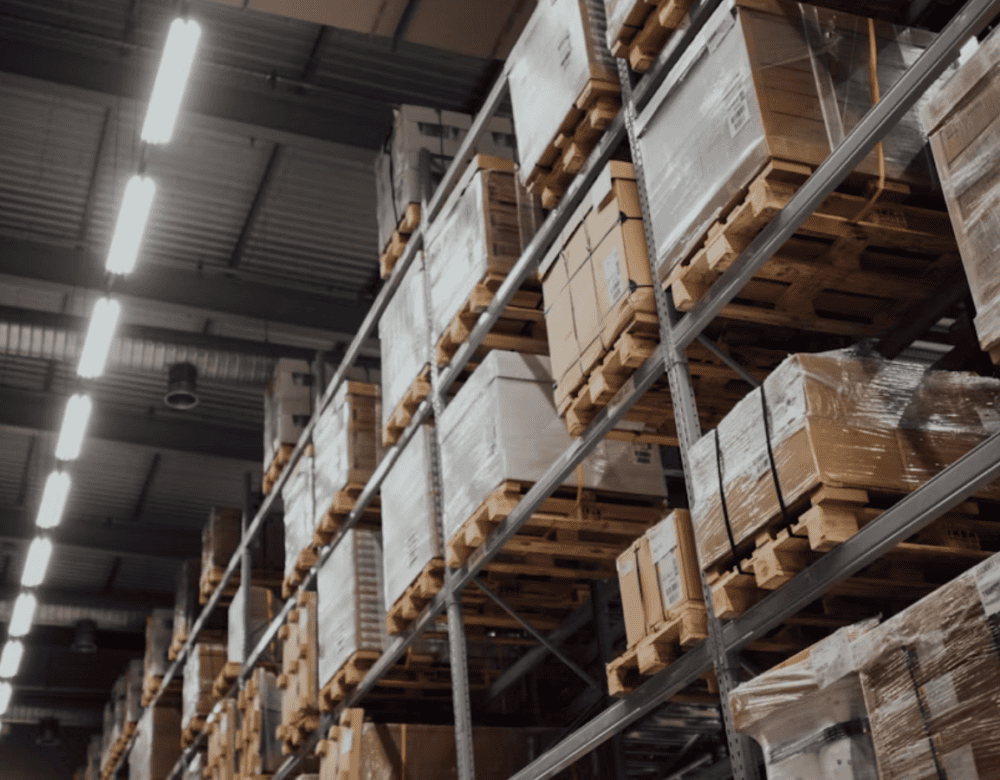
These operational supplies are crucial. Partnering with a reliable fuel delivery company that provides scheduled on-site refueling can eliminate downtime and the hidden labor costs of sending employees to the gas station. Warehousing is another example. Storing too much inventory costs money in space, insurance, and potential obsolescence. Inefficient logistics often leads to holding more stock than necessary “just in case,” tying up capital that could be used elsewhere.
Impact on Productivity
Logistical bottlenecks kill productivity. When a critical shipment is late, it affects more than just one person. A construction crew might stand around waiting for materials, or a manufacturing line could stop because of a missing component. These delays create a ripple effect, wasting payroll dollars on inactive staff and pushing project timelines back.
This lost time also extends to administrative tasks. Chasing down late orders, correcting shipping errors, and dealing with disorganized deliveries eats up valuable hours your team could spend on revenue-generating activities. An efficient logistics system makes sure your people have what they need when they need it, letting them focus on their main responsibilities.
Customer Satisfaction Risks
In today’s competitive market, your logistics process directly reflects your brand. A customer who gets a late, damaged, or incorrect order isn’t just disappointed; they’ll likely share their negative experience and take their business elsewhere. Acquiring a new customer costs far more than keeping an existing one, making customer satisfaction a critical asset.
Inefficient logistics directly threatens this asset. Stockouts caused by poor inventory forecasting lead to lost sales and frustrated shoppers. Unreliable delivery times erode trust. These are significant hidden logistics costs that can permanently damage your company’s reputation and long-term viability. Every smooth delivery strengthens customer loyalty, while every error puts it at risk.
Streamlining Your Operations
Tackling logistical inefficiencies requires a proactive approach. Start by analyzing your current processes to find bottlenecks. Technology can be a powerful ally. Route optimization software can cut down on fuel consumption and delivery times, while inventory management systems can provide real-time data to prevent stockouts and overstocking.
Communication is also key. Making sure your warehouse, drivers, and sales team are all on the same page prevents misunderstandings and costly errors. Many companies face logistics challenges that better internal coordination and clearer standard operating procedures could solve. Simple changes, like standardizing how orders are packed or how deliveries are scheduled, can significantly improve efficiency and save costs.
Investing in Reliable Partners
You don’t have to manage every part of your logistics in-house. Strategic partnerships can provide expertise and infrastructure that would be too expensive to build yourself. When choosing a third-party logistics (3PL) provider, a supplier, or a service company, look beyond the initial price.
A reliable partner offers value through consistency, communication, and a shared commitment to efficiency. They can help you scale your operations, reduce risks, and access specialized knowledge you might not have internally. The right partner becomes an extension of your team, directly contributing to smoother operations and a healthier bottom line by helping you avoid the hidden costs this article describes.
Ultimately, efficient logistics isn’t about spending less; it’s about getting more value from every dollar you spend. Identifying and addressing the hidden costs in your supply chain helps you build a more productive, profitable, and customer-focused business.