
Hunting: How to Step Up Your Night Expeditions
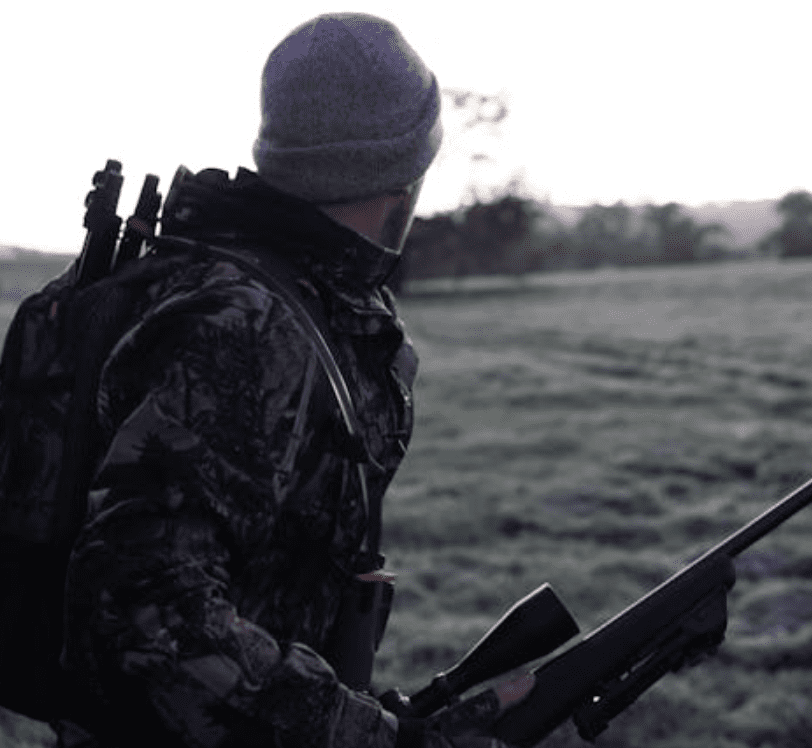
Many people assume there’s just one type of hunting, but there are plenty of different types. There’s a big difference between hunting in the fall and hunting in the dead of winter, for instance.
And there’s arguably an even bigger difference between hunting during the day and hunting at night. Many hunters swear off the idea of nocturnal hunting altogether, but it can offer a unique experience that can make it worthy of your time and effort. You’ll need to check your state’s night hunting laws, but if it’s permissible, then you might just find that being out at night can ignite new excitement into your hunting expeditions.
While enjoyable, night hunting does present additional challenges that you’ll need to be aware of and proactively manage. We’ve put together a few tips that should make things easier.
Contents
Scout the Terrain During Daylight
You’ll find night hunting much easier if you’re at least somewhat familiar with the terrain. Stepping directly into a night hunting expedition without first doing a little bit of homework is a guaranteed way to make your already-difficult task all the more challenging.
Taking a walk around the area during daylight will give you a chance to get to know the trails and notable landmarks before you begin, which is much better than waiting until you’re in the middle of a hunt to learn these all-important details.
Invest in Your Equipment
Your equipment will take on even greater importance during a night hunt, since it’s the strength of your lighting equipment that’ll determine whether you’re even able to hunt. Night vision goggles and a headlamp really can make all the difference. Just keep in mind that those tools will only help you if they have a functioning battery. Bringing backup batteries for your headlamp and an Armasight, AGM Global Vision, or ANVIS goggle replacement battery for your night vision goggles will ensure you don’t face any unexpected issues. A reliable two-way radio is especially key for communicating with your fellow hunters, since you won’t be able to use hand signals.
Master Slow Movement
It’s worthwhile moving slowly regardless of the time of day that you’re hunting, but it’s especially important at night, since animals can be more responsive to sudden movements after nightfall. As well as moving stealthily, it’s advisable to ensure that your equipment is well-adjusted before you set off. Accidentally making a lot of noise due to a poorly-adjusted piece of equipment can scare off potential prey before the hunt has even begun.
Start and Finish at the Right Time
Finally, it’s important to start and finish the hunt at the right time. It’s generally advised to start slightly later than you think you should, since most nocturnal animals wait until the night has fallen completely before beginning their movement. You might also want to set a finish time that’s a little earlier than you might think, too — hunting at night can be more mentally taxing than night hunting, so you’ll likely be tired earlier.
Ken Boyd
Author: Cost Accounting for Dummies, Accounting All-In-One for Dummies, The CPA Exam for Dummies, 1,001 Accounting Questions for Dummies and 34 Stories That Explain Personal Finance