
Equipment Allocation and Safety Budgeting: Essential Gear Strategy for Field Operations
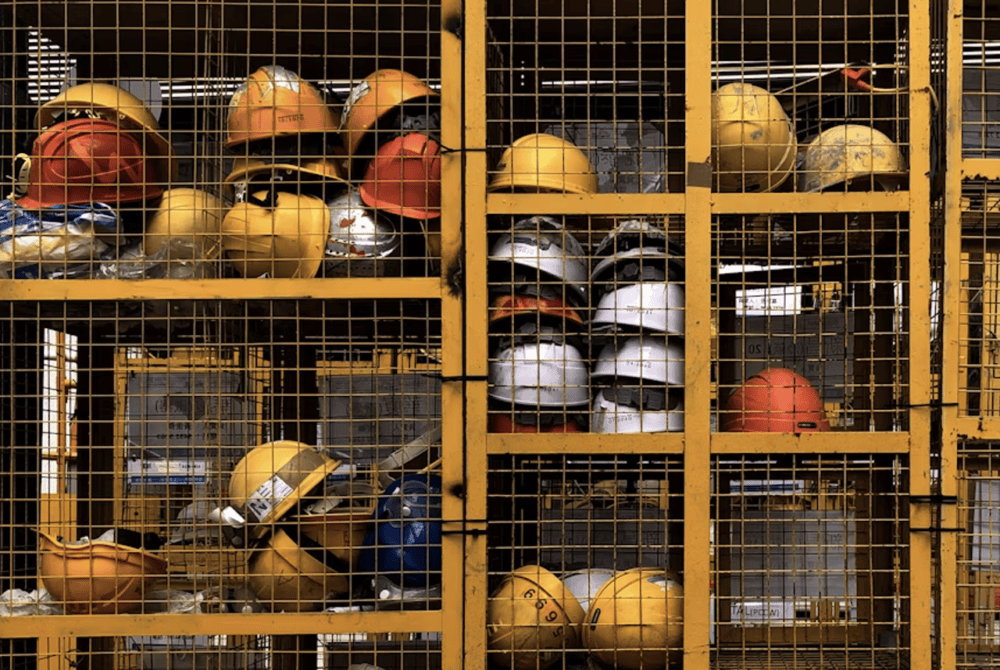
For any business with field teams, managing equipment is a constant balancing act. You need to provide the right gear to keep your people safe and productive, but you also have to stick to a budget. Too often, safety equipment is seen as just a cost, a necessary but unwelcome expense. A better way to look at it is to treat safety gear allocation and budgeting as a strategic part of your financial planning. This approach protects both your team and your company’s bottom line.
Thinking about equipment not just as a purchase but as an asset with a full lifespan helps you create a smarter, more effective safety program.
Contents
Why Safety Gear Is an Investment, Not an Expense
Building a solid equipment strategy starts with a shift in how you think about costs. Spending on safety gear isn’t just about following rules; it’s a direct investment in keeping operations running and managing risk. Every dollar spent on proper equipment can prevent much higher costs later on. These avoided costs include worker compensation claims, higher insurance premiums, regulatory fines, and lost productivity from incidents or injuries.
Think about the return on investment. A well-equipped team is a confident and efficient team. When employees know their safety is a priority, morale and productivity improve. This proactive approach reduces financial risk by making costly accidents less likely, ensuring your field operations run smoothly and without interruption.
Assessing Risks to Categorize Gear Needs
You can’t budget effectively for things you haven’t clearly defined. A thorough risk assessment underpins any equipment allocation plan. Analyze the specific environments where your teams work. What are the most common dangers? Are there unique risks tied to certain job sites or tasks? Answering these questions helps you move past a one-size-fits-all approach.
Once you identify the risks, you can categorize the necessary gear. Some items are for daily use, like high-visibility vests or safety glasses. Others are specific to certain hazards. For teams working in tight spaces or areas with overhead hazards from equipment or structures, a simple but essential piece of gear is a bump helmet. It offers targeted protection for a specific, identified risk. This categorization lets you allocate your budget precisely, ensuring you spend money where it has the most impact.
Building a Flexible and Forward-Looking Safety Budget
With your risks and gear categories defined, you can build a sensible budget. A common mistake is only budgeting for the initial purchase price. A truly effective safety budget accounts for the equipment’s entire lifespan. This includes costs for maintenance, repair, cleaning, and eventual replacement. A good safety equipment budget guide can provide a structured framework for this kind of long-term planning.
Your budget should also be flexible. Set aside a contingency fund for unexpected needs, such as replacing gear damaged in an incident or quickly equipping a new project. Forecasting is also key. Look at historical data on equipment usage and replacement rates to predict future needs. This data-driven approach turns your budget from a static document into a dynamic tool for managing your safety program.
Tracking Gear to Maximize Value
Once you’ve bought the equipment, financial management doesn’t stop. Tracking your safety gear as assets is crucial to maximize value and ensure it remains effective. Implement a system to log every piece of equipment, noting its purchase date, assigned user or team, and recommended service life. This creates an inventory that is essential for audits and financial reporting.
This process also informs your replacement schedule. Regular inspections can spot wear and tear before it causes failure, allowing you to repair or replace items proactively. Managing these assets is a key part of overall field service budgeting, as it ensures you get the most performance and protection for every dollar spent. An organized system prevents wasting money on early replacements while also avoiding the danger of using gear past its expiration date.
Treating your safety equipment strategy with the same rigor as any other financial plan is smart business. It keeps your teams protected, your operations efficient, and your company shielded from unnecessary financial risk.